
Kotpad Sarees: The Beauty of Handmade Indian Handloom with Natural Dyes
In the world of Indian handloom textiles, Kotpad sarees have a special place. These sarees are known for their unique texture, intricate designs, and use of natural dyes. In this article, we will explore the history and significance of Kotpad sarees, the making process, and the rising popularity of these beautiful textiles
I.Introduction
Kotpad sarees are a traditional textile from the state of Odisha, India. These sarees are made from natural materials, including cotton and silk, and are dyed using natural dyes. Kotpad sarees are handmade by weavers, who use traditional techniques to create intricate designs and patterns.
II. Origin and Significance of Kotpad Saree
Kotpad is a small town in the Koraput district of Odisha. The town is known for its traditional handloom weavers, who have been making Kotpad sarees for generations. These sarees are an integral part of the local culture and are used in rituals and ceremonies.
III.Making process of Kotpad Sarees:
The Making Process Kotpad sarees are made using natural dyeing techniques. The weavers use natural materials such as indigo, turmeric, and madder root to create the dyes. The sarees are then woven using traditional techniques, with intricate designs and patterns woven into the fabric. IV. The Popularity of Kotpad Sarees Kotpad sarees have gained popularity in recent years, with recognition from the government and the fashion industry. These sarees have won awards for their unique design and eco-friendliness. The rising demand for sustainable and eco-friendly textiles has also contributed to the popularity of Kotpad sarees.
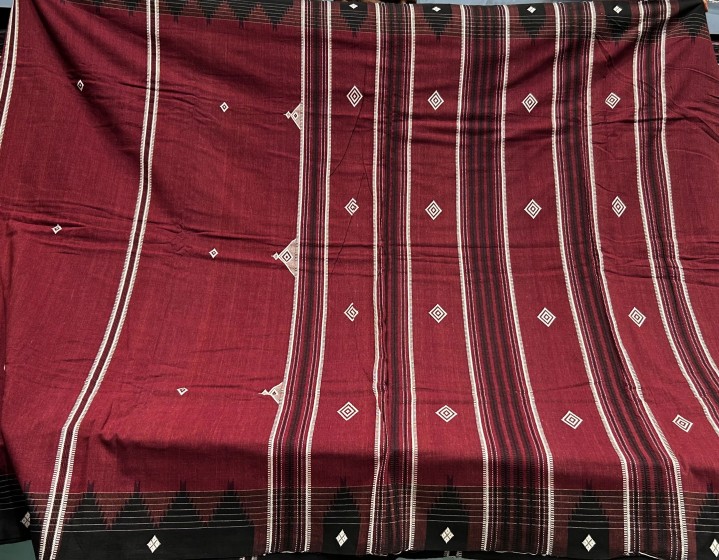
Kotpad sarees are a beautiful example of Indian handloom textiles. These sarees are handmade by weavers using traditional techniques and natural dyes. The rising popularity of sustainable and eco-friendly textiles has led to a renewed interest in Kotpad sarees. By supporting traditional weavers and buying sustainable textiles, we can help preserve this important art form for future generations.
Some Similar Sarees

Beautiful tree of life motifs all over body with traditional Aanchal Bomkai Silk saree with blouse
₹20000 ( USD 243.9 )

Traditional Nabakothi motifs inspired Khandua pure silk saree with blouse piece
₹20000 ( USD 243.9 )

Beautiful plain body with border and Aanchal work Cotton Habaspuri Saree with blouse piece
₹8000 ( USD 97.56 )

Master weaver s creation exquisite thick coarse cotton natural dyed Kotpad saree with blouse piece
₹32000 ( USD 390.24 )

Intricately woven bird motifs Gopalpur Tussar silk saree with blouse piece
₹23000 ( USD 280.49 )

Exquisite n classy danti buti Sachipar with extra thread work on Aanchal cotton saree without blouse
₹20000 ( USD 243.9 )

Traditional exquisite Bichitrapuri Cotton saree without blouse piece
₹10000 ( USD 121.95 )

Beautiful Pasapalli and ashwini inspired Cotton saree with blouse piece
₹14000 ( USD 170.73 )

Elegant White n Pink Sachipar Silk Saree with Classic Body Checks A Graceful treasure with blouse
₹22000 ( USD 268.29 )

Timeless handwoven yellow black Hazarbuti sambalpuri silk saree with blouse piece
₹23000 ( USD 280.49 )

Turtle and fish motifs cotton Siminoi saree with blouse piece
₹6500 ( USD 79.27 )

Traditional border n Aanchal with middle border danti Sachipar with blouse piece
₹14000 ( USD 170.73 )