
Nabakothi Saree: Exploring the Tradition of Nine-boxes Weaves
Nabakothi sarees, are characterized by the depiction of nine houses or `kothi` in a grid way on the body of the saree. These nine houses are represented by nine auspicious motifs such as a pot, bird, lion, lotus, deer, butterfly, peacock, flower, temple and many more. The motifs are created using the tie and dye technique, adding to the saree`s beauty and intricacy.
The weaving process of Khandua Nabakothi Saree involves a lot of intricate work and attention to detail. The saree is made using traditional weaving techniques that have been passed down from generation to generation.
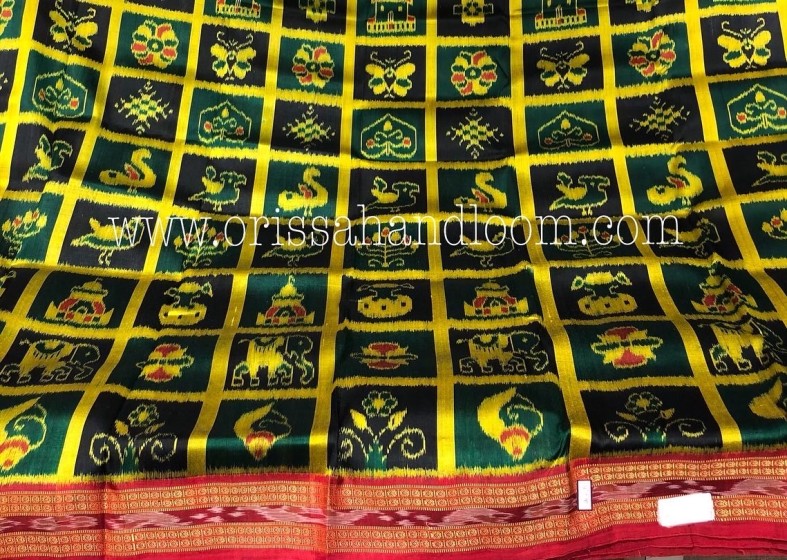
Nabakothi Silk and Nabakothi Cotton Saree The Nabakothi saree is available in both silk and cotton fabrics. The Nabakothi silk saree is usually made using high-quality silk yarn and is known for its rich texture and intricate designs. The Nabakothi cotton saree, on the other hand, is usually made using soft and lightweight cotton yarn, making it comfortable to wear in hot and humid weather. Traditional Motifs and Their Meaning The weaving process of Khandua Nabakothi Saree involves a lot of intricate work and attention to detail. The saree is made using traditional weaving techniques that have been passed down from generation to generation. The term `Nabakothi` literally translates to `nine grids` in the Odia language. These boxes characterized by different traditional motifs. The Odisha Handloom Ikat weave Nabakothi saree is known for its intricate designs and traditional motifs. Here are some of the most commonly used motifs in the saree and their meaning: Flower Motifs The flower motif is a common motif used in the Odisha Handloom Ikat weave Nabakothi saree. This motif is said to represent fertility, prosperity, and growth. Elephant Motifs The elephant motif is another popular motif used in the saree. Elephants are considered sacred animals in Hindu mythology and are associated with wisdom, strength, and royalty. Peacock Motifs The peacock motif is a popular motif used in many traditional Indian textiles, including the Odisha Handloom Ikat weave Nabakothi saree. The peacock is associated with beauty, grace, and pride. Conch Shell Motifs The conch shell motif is a traditional motif used in many Indian textiles. The conch shell is considered sacred in Hindu mythology and is associated with purity, auspiciousness, and the power of the divine. Fish Motifs The fish motif is another common motif used in the Odisha Handloom Ikat weave Nabakothi saree. Fish are considered a symbol of fertility, prosperity, and abundance..
The term `Nabakothi` literally translates to `nine grids` in the Odia language. These boxes characterized by different traditional motifs.
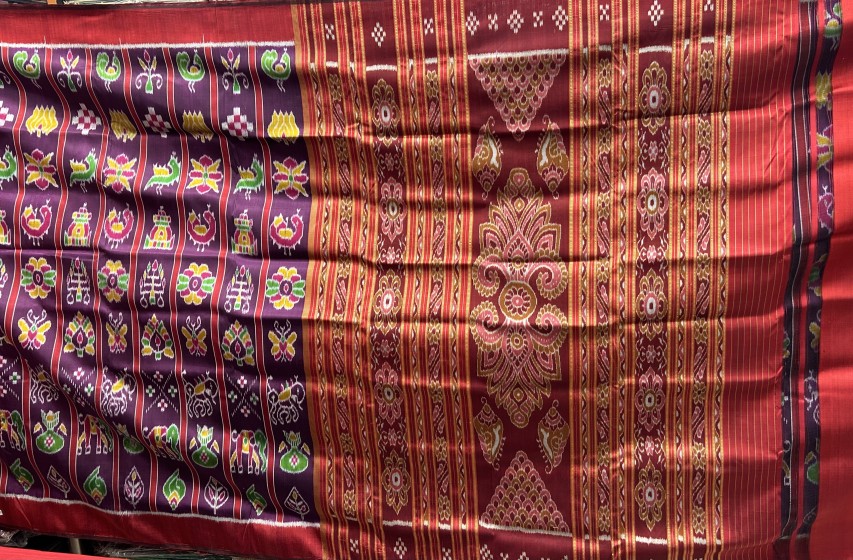
In conclusion, the Odisha Handloom Ikat weave Nabakothi saree is a beautiful and intricate piece of textile art that represents the rich cultural heritage of Odisha. Its unique combination of the Nabakothi design with the traditional Ikat weave, along with the use of traditional motifs, makes it a popular choice for weddings, festivals, and other special occasions. Whether you prefer the flower, elephant, peacock, conch shell, or fish motif, there is a Nabakothi saree for everyone. So, the next time you`re looking to add a touch of tradition and elegance to your wardrobe, consider the timeless beauty of the Odisha Handloom Ikat weave Nabakothi saree.
The flower motif is a common motif used in the Odisha Handloom Ikat weave Nabakothi saree. This motif is said to represent fertility, prosperity, and growth.
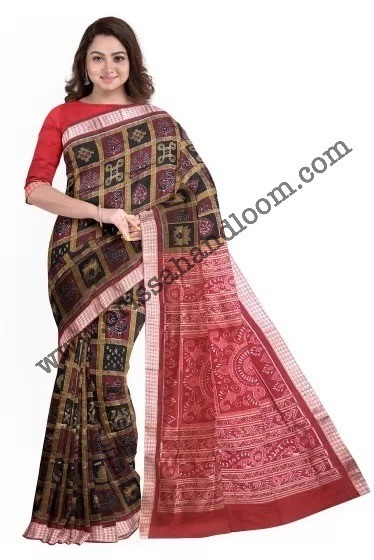
Origin of Nabakothi Saree The Nabakothi saree has its origins in the state of Odisha, India. Khandua Nabakothi Saree is believed to have been first woven in the Nuapatana region of the state, which is known for its rich textile heritage. Over time, the Nabakothi saree became popular in other parts of Odisha as well. Apart from Nuapatana its also woven in western regions of Odisha like Sambalpur, Sonpur, Bargarh etc
Some Similar Sarees

Handwoven Multicolour Double Aanchal Berhampuri Silk Saree with Floral n Butterfly Butis
₹22000 ( USD 268.29 )

Exclusively woven traditional Ikat motifs traditional sambalpuri Nabakothi Silk saree with blouse
₹30000 ( USD 365.85 )

Exclusively woven mustard golden dual tone double Aanchal Berhampuri silk saree with blouse piece
₹23000 ( USD 280.49 )

Exclusively woven heavy thread work on front n pallu Ganjam Bomkai Saree with blouse piece
₹27000 ( USD 329.27 )

Exclusively woven fish motifs zari work double Aanchal Berhampuri silk saree with blouse piece
₹25000 ( USD 304.88 )

Beautiful cotton dolabedi saree with blouse piece
₹11000 ( USD 134.15 )

Beautiful Rust Dongria inspired Silk saree with full work blouse
₹19000 ( USD 231.71 )

Nature inspired animal and bird motifs Bomkai Silk Saree with blouse piece
₹29000 ( USD 353.66 )

Traditional fish and turtle butas Sambalpuri Cotton Saree with blouse piece
₹8000 ( USD 97.56 )

Beautiful Red and Blue combination cotton Ikat saree with blouse piece
₹8000 ( USD 97.56 )

National award winning weaver s dusphulia thick border with Ikat motifs Aanchal Cotton saree
₹21000 ( USD 256.1 )

Beautiful cotton Ashwini saree with temple motifs Aanchal
₹11000 ( USD 134.15 )